
There is no question Australian consumer confidence has taken a significant hit through 2026.
The continuing conflict in the Middle East has created another layer of global uncertainty and placed renewed pressure on energy and fuel prices. Interest rates have already risen three times this year and, following yesterday’s Reserve Bank decision, the cash rate has increased again to 4.60%. At the same time, changes to federal tax settings – including negative gearing and capital gains tax – after the Government had previously indicated these settings would not change have added another element of uncertainty for property investors whilst spooking first home buyers too.
The impact on sentiment is now clearly visible. The Westpac–Melbourne Institute Consumer Sentiment Index fell another 5.2% in September to 84.4, returning towards the deeply pessimistic levels experienced earlier this year.
Perth property has not been immune. After several years where demand substantially exceeded the number of properties available, listings are finally increasing. REIWA recorded 7,804 properties for sale in Perth in the week ending 27 September, compared with just 2,841 at the same time last year. Buyers have more choice, properties are generally taking longer to sell and the urgency that characterised the market has eased. But there is an important distinction between confidence and fundamentals. While sentiment has changed quickly, the underlying drivers of the Perth housing market have not disappeared.
Western Australia remains the fastest-growing state in the country, with its population increasing by 2.1%, or more than 64,000 people in the year to March 2026. Importantly, WA also recorded positive interstate migration as well as strong overseas migration. Those people all need somewhere to live. Perth’s rental vacancy rate was just 1.9% in August, well below the 2.5%–3.5% range generally considered to represent a balanced rental market. The squeeze on rental accommodation therefore remains very real and highlights an ongoing lack of supply to meet housing demand.
Perhaps the most important fundamental of all remains replacement cost. The cost of land, construction, finance, infrastructure and approvals means it remains extremely difficult to create new housing at prices materially below the value of established housing. While construction activity is improving, delivering genuinely affordable new supply at scale remains one of the biggest challenges facing our industry. That creates an important underlying support for the market. If population continues to grow, rental accommodation remains tight and new homes cannot economically be produced significantly cheaper, there is a limit to how far established housing values can disconnect from the cost of creating the next home.
Could weaker confidence create a medium term opportunity? Perhaps the more interesting question is what the next 12 months might present for buyers.
We are moving from a market where buyers often had to compete aggressively simply to secure a property, to one where increasing listings and weaker sentiment may provide more time, greater choice and improved negotiating conditions. That doesn’t mean every property represents good value, nor does it mean prices cannot soften further. Higher interest rates matter, household budgets are under pressure and uncertainty may remain with us for some time.
But periods where sentiment is weak while the underlying fundamentals remain relatively strong can also create opportunities for buyers prepared to take a longer-term view.
At Celsius, we are moving full steam ahead with our development pipeline and continuing to work to bring more diversified housing to market across Perth and the regions of Western Australia.
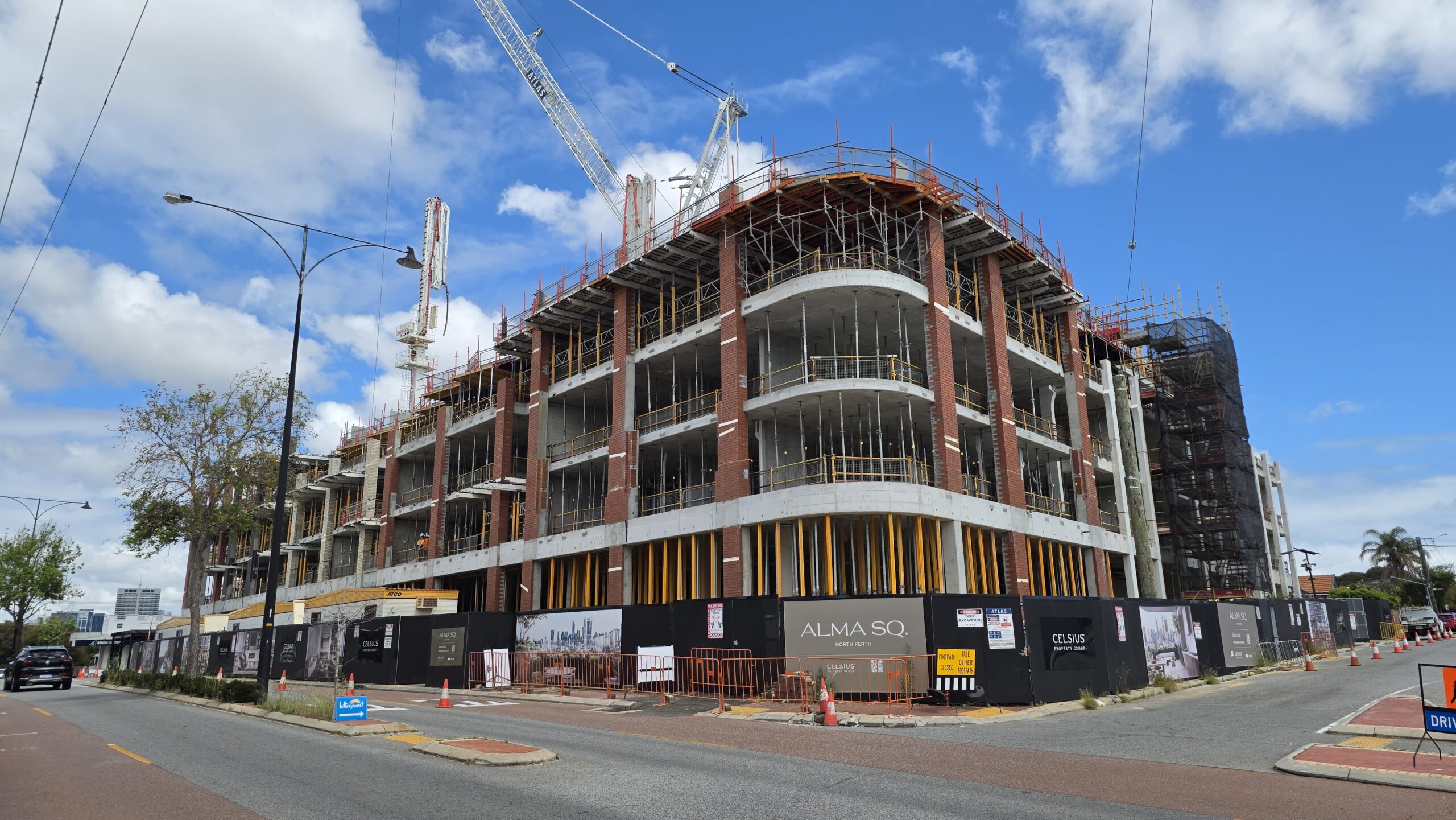

Importantly, that doesn’t simply mean building more of the same. Our market needs greater diversity – apartments, townhouses, smaller homes, larger family homes, key-worker accommodation, rental housing and different ownership and affordability options.
The events of 2026 may have changed consumer confidence by they haven’t changed the fundamental need for more homes.
Ultimately supply is the problem our industry needs to keep solving, with support by the government, and Celsius will continue to play an active role.
All the best
Richard